After such a positive day for England in the Fifth Test, Joe Root is probably feeling good about his captaincy. Whereas, at the end of the Fourth Test in this Ashes series, Steve James was pointing out in The Times that,
‘Right now Root might well be considering the words of Derek Underwood, the former England left-arm spinner, who once said: “Why do so many players want to be captain?”
‘Mike Brearley began his definitive treatise, The Art of Captaincy, with those words of Underwood’s. But not everyone can do the job like Brearley.
‘… When things go wrong, you are in the line of fire. Even the thickest of skins can be penetrated. It is a very public role, but it can also be a very lonely one.’
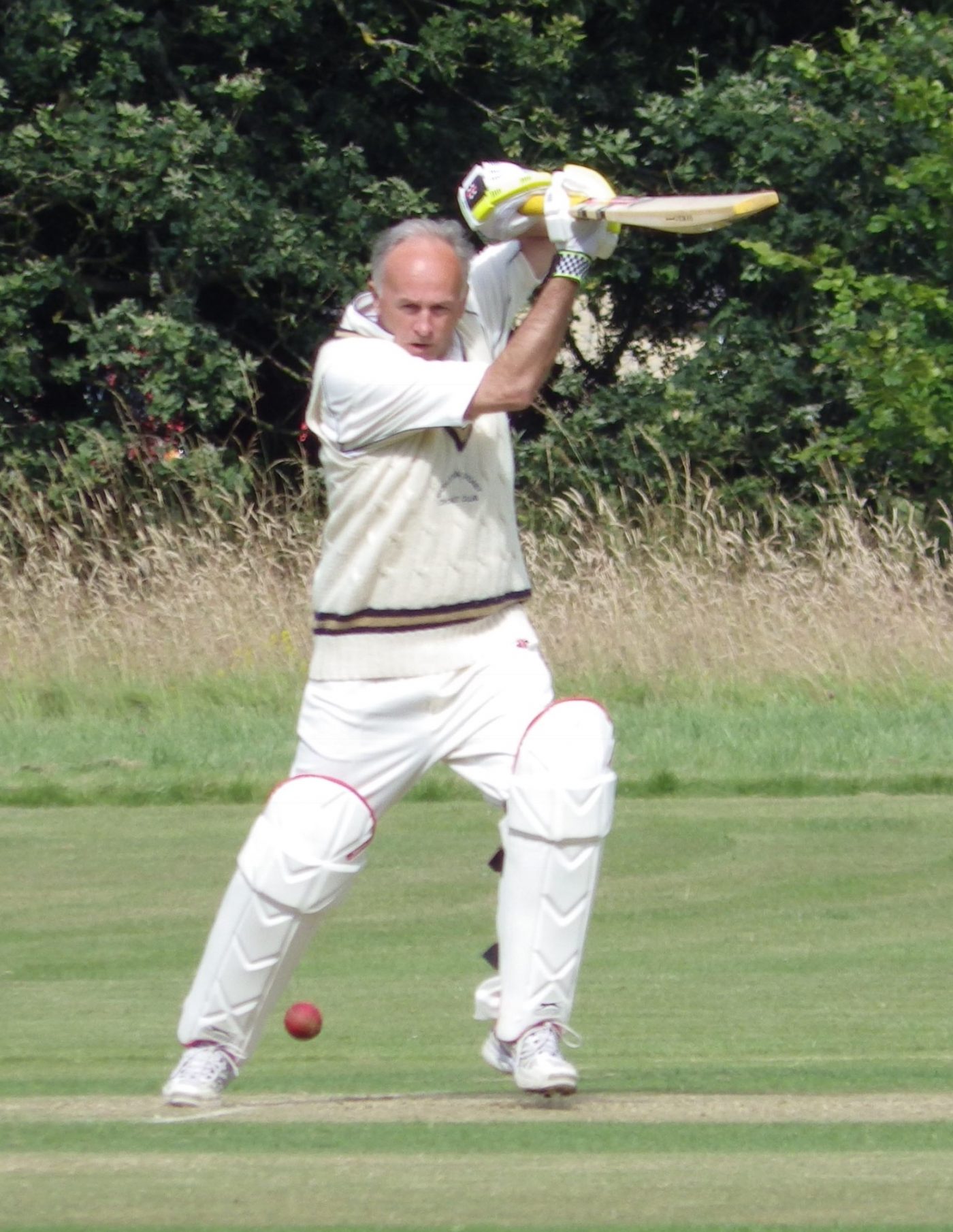
Root and other Test captains are trying to win. In friendly Sunday village club cricket, it is a lot more complicated than that. We are trying to give everyone a game as well as to win, preferably with only minutes to go, not least so that the crowd, who are gathering for drinks and an imminent barbecue, can savour, and add to, the atmosphere.
Steve James goes on to spell out the problems for Root:
‘No matter if your bowlers are not good enough, it is often still your fault. Root did not drop a caught-and-bowled from Smith on 65, as Archer did. He did not bowl Leach’s no-ball.
‘He did not drop Tim Paine at second slip as Jason Roy did or at mid-on as the substitute, Sam Curran, did. In fact he did actually take a tricky swirling catch from Matthew Wade at mid-on.’
As a skipper in friendly club cricket, though, it might very well be my fault. One of the challenges for club captains is when to give up because their own bowling, batting and fielding are not setting good examples.
So it is the opposite question which preoccupies village clubs: why does nobody else want to be captain? Now, of course, there are some players who do want to be skipper. Among this select few, some are good at hiding this noble aspiration and need to be encouraged to let their name go forward, however reluctantly. Others make no secret of their ambition but lack the competence to do the job. This might be all very well if you want to be Prime Minister but no self-respecting village or college sports team is going to risk a skipper who doesn’t command the confidence of their club or who doesn’t respect the spirit of their game.
The incumbent skipper can seek to deter potential successors by pretending that the role is harder than it is. Eventually, however, all captains have to go. As is sometimes said in American law schools, where the collective noun for the professors is the ‘faculty’, ‘old deans never die, they just lose their faculties’.
In village cricket clubs, as in law schools, leadership is in any event distributed among many people, often a club has a president, a chairman, a vice-captain, secretaries for this and that, as well as the captain. And there is rarely any difficulty in finding a super-substitute captain if the club skipper is not playing on a particular Sunday.
I mention this partly because we are wondering if some super-successor will emerge as the next club captain here at Middleton Stoney CC or whether I should carry on for another season, playing far fewer games with more skipper-for-the-day super-substitutes taking over on the field. This is another model tried by a variety of clubs, some through having a bevy of vice-captains, others (especially wandering clubs) through appointing ‘match managers’.
Universities do something similar with a host of pro-vice-chancellors and/or deputy vice-chancellors, provosts and deans, all sharing the responsibilities assigned to the vice-chancellor. The very term ‘vice-chancellor’ indicates that even the chief academic officer, chief executive officer and chief accounting officer to funding councils and Parliament, is in a sense deputising for someone else, the Chancellor, as sometimes becomes clear at graduations. Usually, if the Chancellor is present, that person will preside and award degrees. If not, sometimes a Pro-Chancellor (another non-executive, often the chair of the council of a university) will preside or sometimes the vice-chancellor. The Chancellor is the symbolic head of a university, as the Queen is for the state. In a cricket club, that might be the President or Chairman.
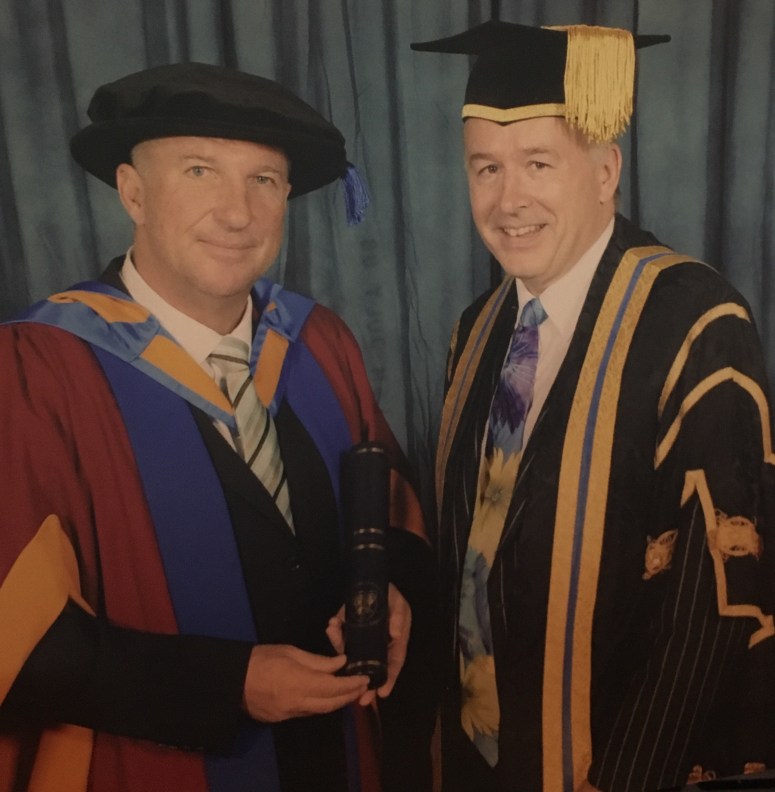
An interesting question in cricket and academia is whether people who resign the captaincy to concentrate on their own cricket or their own research actually improve their performances. It worked for Ian Botham (focusing on his own cricket, I mean, not on research; the photo above is from a day when I had the privilege of conferring an honorary doctorate on this great cricketer). Alastair (now Sir Alastair) Cook has also reflected on the difference it can make to give up the captaincy but carry on playing:
https://www.bbc.co.uk/sport/cricket/40801997
Somehow, though, I don’t think giving up the captaincy is going to be enough to turn me into a Botham or a Cook.
With only two games to go in our season, it will soon be time to decide the future leadership of our club. We are on an unprecedented winning streak, with 13 victories already this season. Is that a good reason to step aside at the best of times? Or is it a reason to want to keep going? The advice seems to be, ‘It’s up to you, skip.’
 Up To You, Skip